Black belt in Mikado, Photo model, for the photos where they put under ‘BEFORE’
- 51 Posts
- 8 Comments

 67·5 days ago
As I said, these things happen when the company uses AI mainly as a tool to obtain data from the user, leaving aside the reliability of its LLM, which allows it to practically collect data indiscriminately for its knowledge base. This is why ChatBots are generally discardable as a reliable source of information. Search assistants are different, like Andi, since they do not get their information from their own knowledge base, but in real time from the web, there it only depends on whether they know how to recognize the reliability of the information, which Andi does, contrasting several sources. This is why it offers the highest accuracy of all major AI, according to an independent benchmark.

A real Geek only need this one

You can tame even Windows, making it reasonable private, because in Windows you can set almost everything (most things a certainly hidden and without much documentation, logic, but it’s possible) in Mac you can’t set nothing what Apple don’t want.

Captchas today are completely obsolete to avoid bots, more now with AI, since years and are just simple click ads from different companies since no one clicks on banner ads anymore. A simple Honeypot system or, as they do in some forums, waiting half an hour before sending the email with the account code, are much more efficient to avoid bots, without pissing off the user.

Search GzDOOM and FreeDoom, with which ashes is made+community made wads. Ashes normally is only a mod for the original DoomII engine, but this standalone version use the GzDoom engine and FreeDoom, both FOSS. Apart use diferent wads, not the original Doom Wads, which are proprietary. Its similar to The Dark Mod, which in it’s first version was an mod for DOOMIII, but with v2 it becomes standalone with the own DarkRadiant engine (OpenSource) and community made Missions (in more than 120 missions so far created by different users of the community it is impossible for there to be a unified license, depending on the assets they had used).

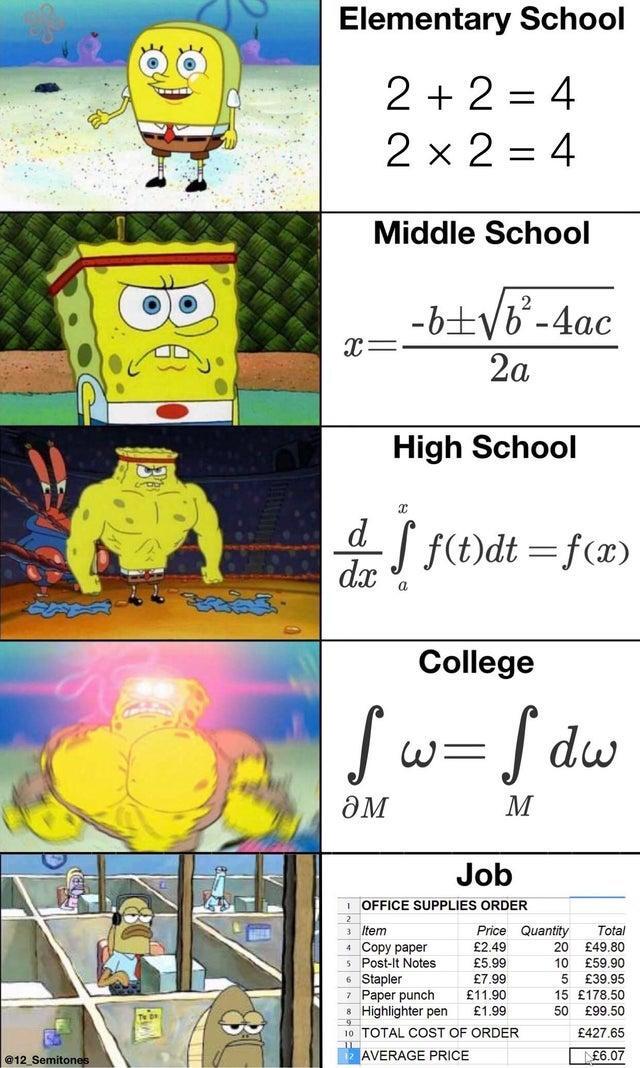


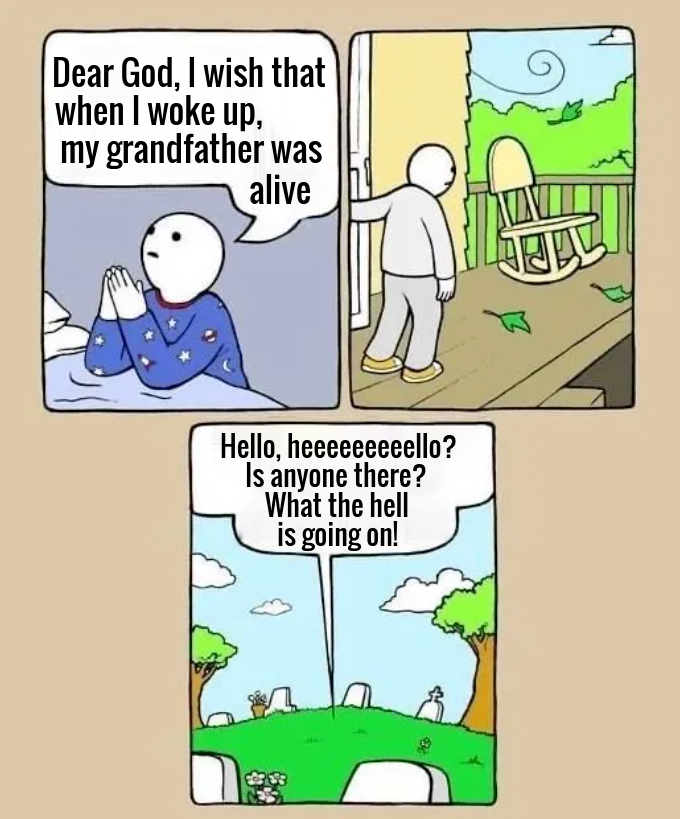


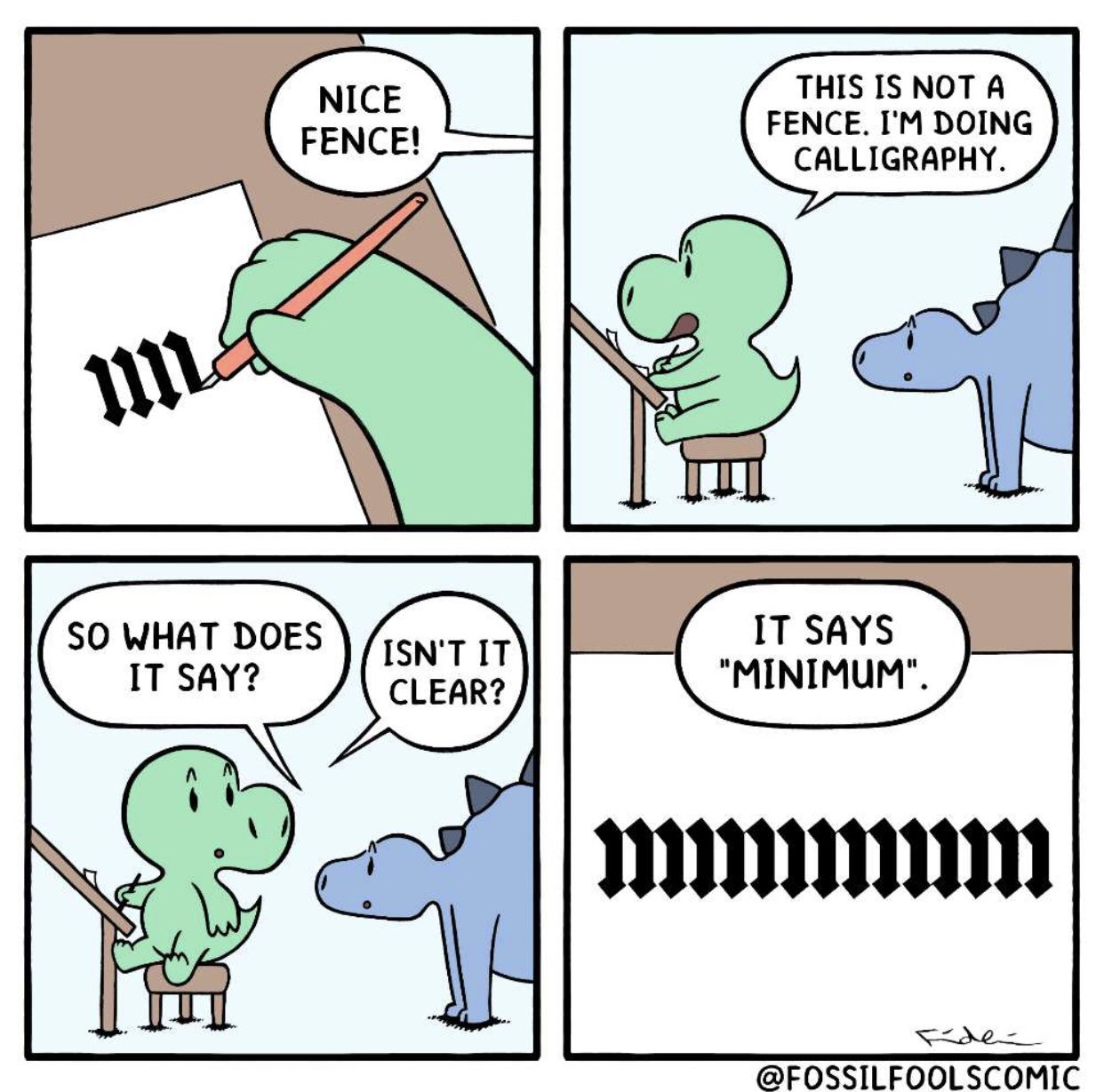

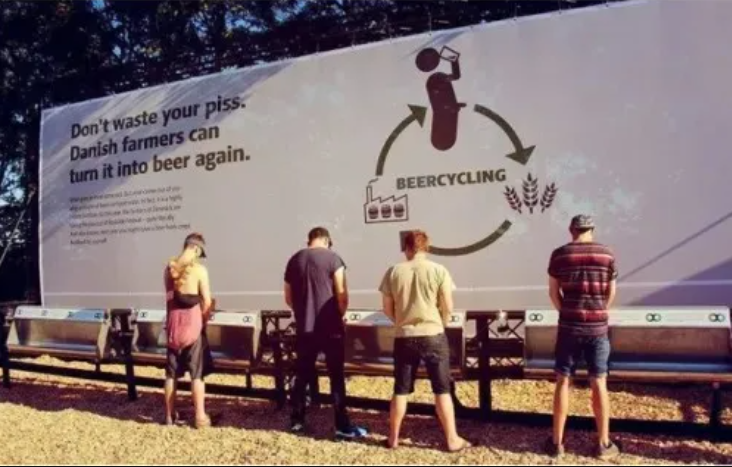

Oh, sorry, I had the image since a lot of years. The world is small